Caregiver Bathtub Safety Solutions That Work
- Sameer Kavah
- Jul 28
- 5 min read

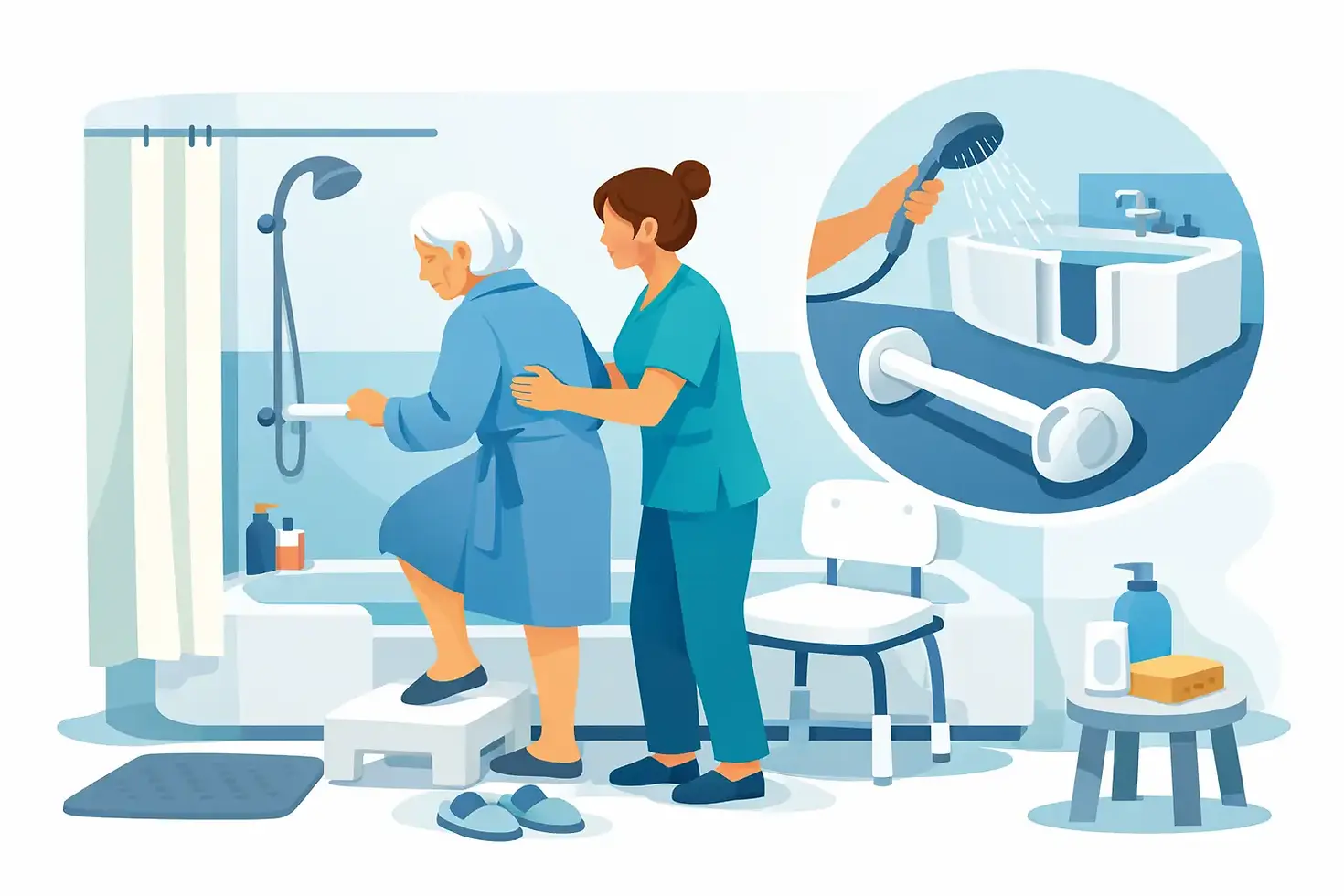
A bathtub wall can become a daily barrier long before someone needs full-time care. For many families, caregiver bathtub safety solutions start with one pressing concern: helping a parent, spouse, or client get in and out of the bath without a risky lift, a painful step, or a frightening near-fall.
The safest choice is rarely a single accessory. A bath mat may help with traction, but it does not solve the problem of stepping over a high tub edge. A grab bar can provide valuable support, but only when it is installed in the right location and paired with a safer way to enter the tub. Good bathroom safety planning looks at the entire bathing routine, from approaching the tub to drying off afterward.
When Bathing Starts Requiring Hands-On Help
Caregivers often notice the warning signs gradually. A loved one starts holding the towel bar for balance, asks for an arm when stepping into the tub, or avoids bathing because the process feels exhausting. These changes can affect confidence as much as physical safety.
A standard bathtub is designed with a high side wall to hold water. For someone with reduced balance, arthritis, hip or knee pain, weakness after surgery, or limited range of motion, that wall can require an unsafe high step. The challenge increases when a caregiver has to support the person from an awkward angle in a small, wet room.
Trying to prevent a fall by physically lifting someone over the tub wall can put both people at risk. The caregiver may strain their back or lose footing, while the person receiving help may feel unsteady, rushed, or embarrassed. A safer setup protects independence where possible and makes assistance more controlled when it is needed.
Start With the Most Difficult Part of the Routine
Before choosing a product or planning a renovation, watch how bathing currently happens. Is the biggest concern getting over the tub wall? Is it lowering down into the tub and standing back up? Does the person feel unstable while washing, or is the floor outside the tub slippery after bathing?
The answer determines which upgrade will make the greatest difference. A shower chair may be useful for someone who can step in safely but cannot stand for long. Secure grab bars can help with turning, sitting, and rising. However, if stepping over the tub wall is the main obstacle, these additions alone may not remove the highest-risk movement.
Caregivers should also consider whether the bathroom layout allows them to assist without twisting, reaching across the tub, or blocking the door. A solution should work for the person bathing and for the person helping them.
Why Temporary Fixes Have Limits
Non-slip mats, suction-cup handles, and temporary bath seats can seem like quick answers. They may have a place as short-term support, but they have limits. Suction products can release unexpectedly, loose mats can shift, and a seat does not change the height of the bathtub wall.
Permanent safety features are generally more dependable because they are properly secured and selected for the space. This matters when a family is arranging care at a distance or when a caregiver cannot be present for every bath. The goal is not to fill the bathroom with equipment. It is to remove the specific hazards that make bathing difficult.
Caregiver Bathtub Safety Solutions for Safer Access
For many Ontario homes, a bathtub cut-out conversion is one of the most practical caregiver bathtub safety solutions. The high front wall of an existing tub is professionally removed and replaced with a low-entry insert. This creates a much easier step-in opening while keeping the existing bathtub and avoiding the disruption of a full bathroom renovation.
The person bathing can enter with a smaller, more manageable step, then use the tub as a showering area with appropriate supports. For a caregiver, the lower opening can make hands-on assistance safer and more comfortable. There is less need to lift a leg over a high wall or lean across the tub from an unstable position.
A conversion can be fitted with different insert styles based on mobility needs and future plans. A narrow opening may suit someone who needs a lower step while retaining more of the tub wall. A wider opening can provide easier access for someone using a shower chair or requiring closer caregiver support. An extra-deep option can further reduce step-over height. If bathing needs change later, a door-cap option may allow the opening to be closed for occasional tub use.
Grab bars should usually be part of the conversation. Professionally installed bars offer reliable handholds at the points where balance is most likely to be challenged: entering, turning, lowering onto a seat, and standing up. Their position matters more than their appearance. A bar near the entrance may help with the initial step, while another may provide support at the showering position.
A handheld showerhead and a stable shower chair can also make bathing less tiring. These features allow a person to wash while seated and reduce the need to turn or reach. They are particularly helpful when standing endurance is limited, though the chair should be chosen to fit the converted opening and bathroom layout.
Choosing a Solution That Fits Now and Later
A full walk-in tub can be appropriate in some homes, especially when soaking is a priority and the user can manage the time required to fill and drain it. But it is not the only path to safer bathing. Walk-in tubs can involve a larger investment, longer installation planning, and more substantial changes to the bathroom.
A bathtub cut-out conversion is often a better fit for families who need a fast, affordable change without removing the entire tub or replacing surrounding tile. Safe Bath Solutions can complete many conversions in as little as one day, which is helpful when a fall risk has become urgent or a loved one is returning home after rehabilitation.
The right choice depends on current mobility, expected changes in care needs, bathroom dimensions, and budget. It is wise to think ahead. If someone is beginning to use a walker, needs a caregiver nearby, or has a condition likely to affect mobility over time, a wider and lower access option may offer more long-term value than the smallest possible modification.
What Professional Installation Adds
Bathroom safety equipment needs to perform reliably in a wet environment. Professional installation helps ensure that a bathtub cut-out is fitted correctly, edges are finished cleanly, and grab bars are anchored into suitable structural support rather than simply attached to a surface.
It also keeps the project focused. Families do not always need a lengthy, dusty bathroom remodel to make a meaningful safety improvement. A specialized accessibility installer can assess the existing tub, recommend an appropriate insert size, and complete the work with minimal disruption to the household.
For homeowners in Toronto, the GTA, and surrounding Ontario communities, local service also means the installer understands the common tub styles and layouts found in area homes. That experience can make the decision process clearer at a time when families are already managing appointments, care schedules, and health concerns.
A Better Conversation to Have Before a Fall
Bathing safety can be an emotional subject. Many older adults worry that a home modification means losing independence. In practice, the right change often helps preserve it. A lower entry, secure handholds, and a comfortable seated bathing option can turn a stressful routine into one that feels manageable again.
Start the conversation with what the person wants to keep doing for themselves. Then look honestly at where help is already required. A practical bathroom upgrade is not about making a home feel clinical. It is about making daily care safer, more dignified, and less physically demanding for everyone involved.
A safer bathtub entry can give caregivers more than a helpful feature. It can provide the reassurance that each bath does not have to begin with a risky step.


Comments